Here is what a chyulu hills national park safari actually looks like, what it costs, and how to fit it into a bigger Kenya trip without wasting travel days.
If you have already done the Mara, you know the drill. Game drives at dawn, a wall of vehicles around one leopard, a checklist of the Big Five ticked off by day three. Chyulu Hills is the opposite of that experience, and that is exactly why it belongs on your radar.
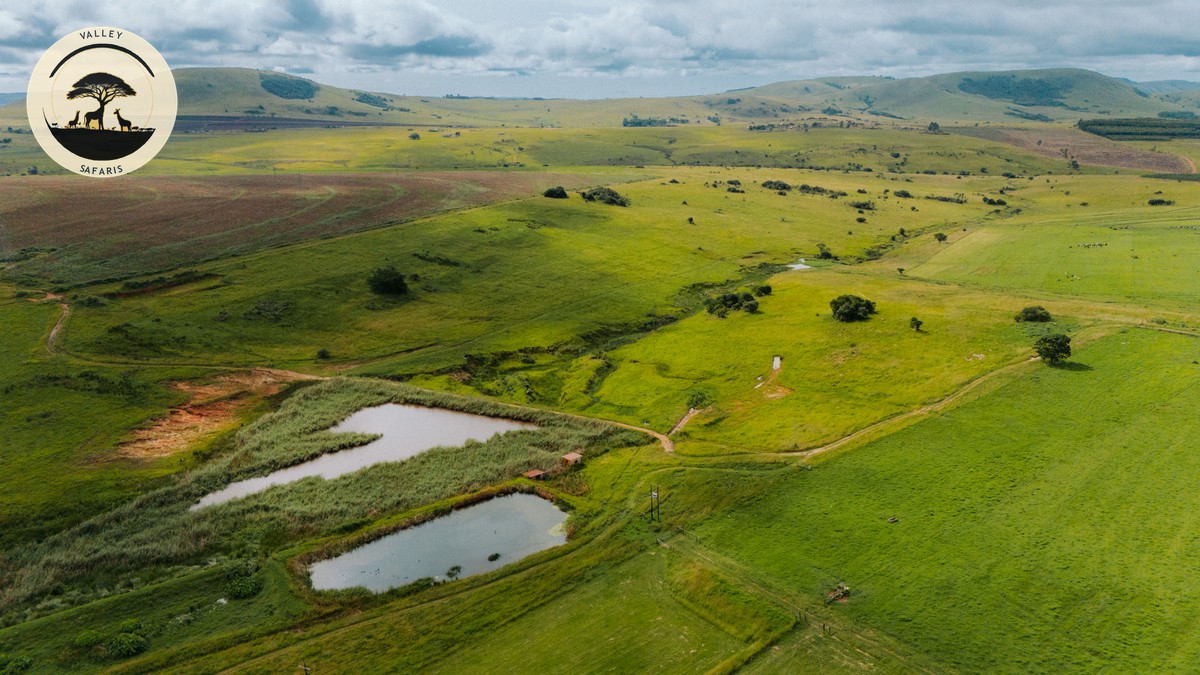
This is Ernest Hemingway’s “Green Hills of Africa,” a young volcanic range that rolls between Amboseli and Tsavo West like a green wave frozen mid-motion. It is not a wildlife-dense park. It is a scenery, silence, and altitude park, and for a repeat visitor who wants something Kenya’s headline parks cannot offer, that trade is often worth making.
Why It’s Called the Green Hills of Africa
Hemingway never actually hunted in Chyulu Hills. His 1935 book “Green Hills of Africa” was set further south, in what is now Tanzania. But the nickname stuck to this range because the description fits so well: soft, grass-covered volcanic cones stretching for about 100 km, glowing green after rain and gold in the dry season.
Geologically, the Chyulu Hills are among the youngest mountains in Africa, formed by volcanic activity within roughly the last 500 to 1,000 years. There are more than 300 individual cones and craters. Because the volcanic rock is so porous, there is almost no surface water on the range itself. Rain sinks straight through the ground and re-emerges miles away as the springs that feed Mzima Springs in Tsavo West and parts of the Amboseli ecosystem.
Stand on the ridge on a clear morning and you get one of the best uninterrupted views of Mount Kilimanjaro in Kenya, often better than the more famous vantage points in Amboseli itself, because you are looking at the mountain from the side rather than straight across a dusty plain.
Wildlife: What You Will and Won’t See
Be honest with yourself before you book this leg of a trip. Chyulu Hills National Park covers about 741 square kilometers and sits within a much larger, unfenced ecosystem shared with Amboseli, Tsavo West, and community group ranches. Animals move freely across all of it, which is good for conservation and less predictable for game viewing.
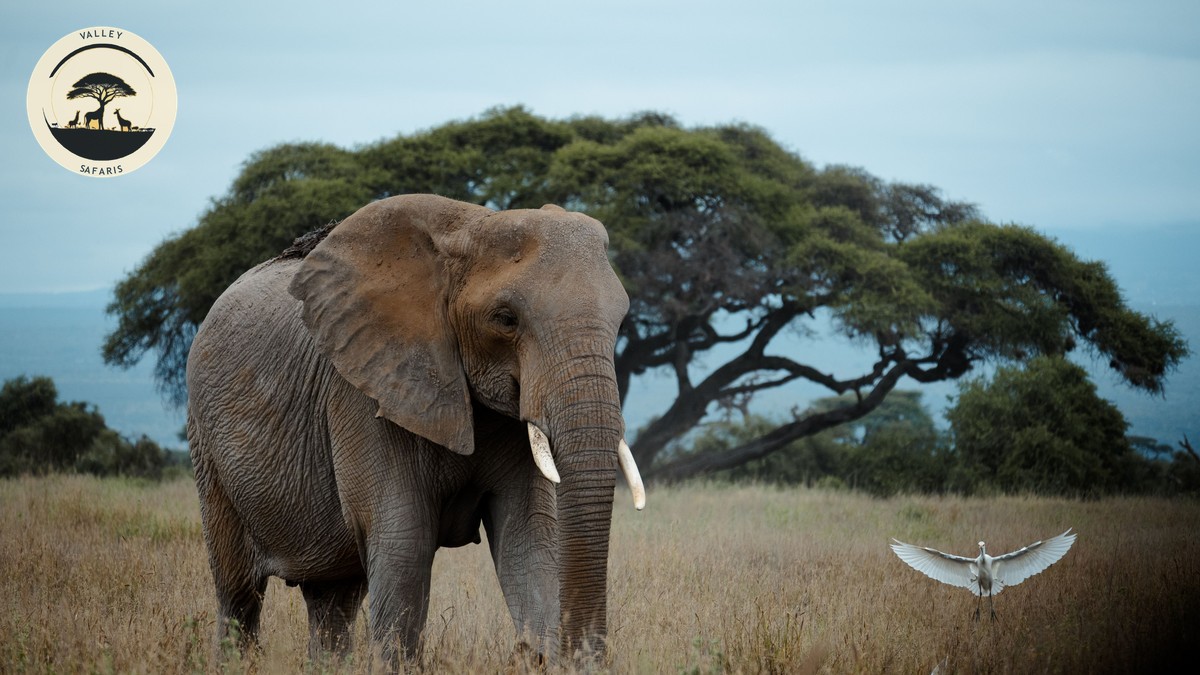
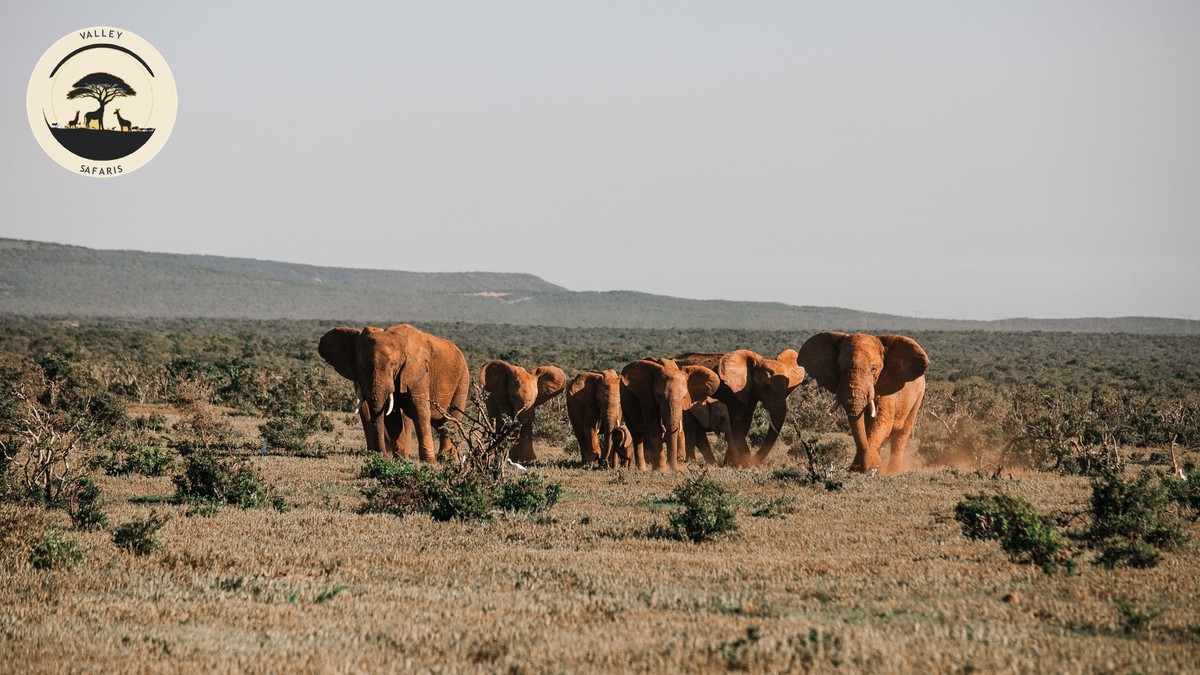
You will likely see elephant, giraffe, eland, zebra, buffalo, and Grant’s gazelle, especially on the lower slopes and plains around Mbirikani and Kuku group ranches. Leopard are present and camera-trap data confirms a healthy population, but sightings are rare because the terrain is thick and hilly rather than open. Lion numbers are low and inconsistent. Rhino are effectively absent from the range today.
So is there a Big Five here? Technically maybe, on paper, but not in the way you would experience it in the Mara or even Amboseli. Go to Chyulu Hills for landscape, birdlife (over 400 species recorded), and the feeling of having a very wild place mostly to yourself. Go to Amboseli or the Mara for guaranteed predator and elephant sightings.
Activities Beyond the Game Drive
This is where Chyulu Hills earns its keep, because most Kenyan parks don’t allow half of what happens here.
- Walking safaris, guided by Maasai trackers who grew up on this land, are the signature activity at both main camps.
- Horse riding safaris at Ol Donyo Lodge let you cover ground alongside zebra and giraffe at a walking pace, something you cannot do in most fenced or predator-dense parks.
- Mountain biking on cleared trails around Mbirikani.
- Caving at Leviathan Cave, a lava tube system that runs for roughly 11.5 km, among the longest of its kind in the world. Guided tours cover a manageable, well-lit section near the entrance, not the full length.
- Stargazing and night drives, easier here than almost anywhere else in Kenya because there is so little light pollution.
- Birding, strong year-round but best just after the rains when migrants pass through.
Where to Stay: Two Real Options
Unlike Amboseli or the Mara, where you can pick from dozens of camps, Chyulu Hills realistically has two serious accommodation choices. That is not a knock on the place, it is part of what keeps it uncrowded.
| Lodge | Style | Approx. rate (per person/night, all-inclusive) | Access | Best for |
|---|---|---|---|---|
| Ol Donyo Lodge (Great Plains Conservation) | High-end luxury, 8 suites, private plunge pools | USD 1,100 to 1,600 | Own airstrip, Safarilink flights from Wilson Airport | Honeymooners, luxury repeat visitors |
| Campi ya Kanzi (Maasai Wilderness Conservation Trust) | Eco-luxury tented camp, community-owned | USD 550 to 850 | Fly to Kimana or Amboseli, then road transfer | Conservation-minded travelers, families |
Both camps are owner-run, both plough significant revenue back into the Maasai communities that own the surrounding group ranches, and both cap guest numbers deliberately. Rates above are indicative ranges and shift with season, so always confirm current pricing before booking. If you are weighing which style suits your trip, it helps to think about choosing between a tented camp and a lodge like Ol Donyo before you commit.
Best Time to Visit
Chyulu Hills is a year-round destination, but timing changes the experience.
- June to October (dry season): clearest Kilimanjaro views, easier walking and biking conditions, wildlife more visible on cleared slopes.
- December to March (short dry spell): green landscape, good birding, warm days.
- April to May and November (rains): the hills are at their most dramatically green, but tracks can turn slick and some activities pause. Rates also drop, which suits a repeat visitor chasing solitude over predictability.
Getting There: Fly or Drive
By air: Safarilink and other charter operators fly daily from Wilson Airport in Nairobi to Ol Donyo airstrip, a flight of about 45 to 60 minutes. This is the fastest option and the one most guests at Ol Donyo Lodge use.
By road from Nairobi: roughly 230 km via the Mombasa Road and Emali turnoff, taking 4 to 5 hours depending on traffic and the final stretch of murram road. A 4×4 is strongly recommended, especially after rain.
By road from Amboseli: about 60 to 80 km through Kimana and the Mbirikani Group Ranch, roughly 1.5 to 2 hours. This is the transfer most repeat visitors use, since it lets you combine a few nights of predator-heavy game viewing in Amboseli with a slower, scenery-focused finish in Chyulu Hills.
By road from Tsavo West: Chyulu Hills borders Tsavo West directly near Chyulu Gate, so a transfer can take as little as 1 to 1.5 hours depending on which camp you are heading to.
If you are mapping out a longer circuit, it is worth checking how far Chyulu Hills is from Kenya’s other parks before you finalize routing, since group ranch roads are slower than tarmac.
Entry Fees and Costs
KWS charges standard national park conservation fees for Chyulu Hills National Park, currently USD 80 per adult and USD 20 per child for non-residents, per 24-hour period. Community group ranch areas around Ol Donyo and Campi ya Kanzi often carry separate conservancy or bed-night fees on top of park entry, usually built into your lodge rate rather than billed separately. Camping fees inside the park itself are modest by comparison, typically in the USD 20 to 30 per person range, but public campsites are basic and best suited to self-drive travelers with full gear.
Because lodge rates, conservancy fees, and park fees all stack differently depending on where you stay, it is easy to underestimate a Chyulu Hills add-on. We have written before about the hidden costs that can inflate your safari package price, and this is one of the parks where that matters most.
Safety and Health
Chyulu Hills is safe for travelers when visited through an established camp or tour operator. The main practical concerns are altitude related, since the hills sit at 1,800 to 2,100 meters and nights get cold, and malaria prophylaxis is recommended as it is across most of Kenya’s lowland parks. Roads within the group ranches are unmarked in places, which is another reason a guided transfer beats a self-drive attempt for a first visit.
Sample Itinerary: Combining Chyulu Hills With Amboseli and Tsavo West
A repeat visitor with 6 to 7 days could run:
- Days 1 to 3: Amboseli National Park for elephant herds and Kilimanjaro backdrops.
- Days 4 to 5: Chyulu Hills, road transfer from Amboseli, for walking safaris and Leviathan Cave.
- Days 6 to 7: Tsavo West, short transfer from Chyulu Gate, for Mzima Springs and the Shetani lava flows.
This route works because you are never backtracking, and it pairs Chyulu Hills’ quiet, scenery-first days with two parks that deliver the higher wildlife density this range does not.
The Valley Safaris Difference
We do not sell Chyulu Hills as a Big Five destination, because it isn’t one, and pretending otherwise sets up a disappointing second half of a trip. What we do instead is treat it as a deliberate pause between game-dense parks, timed and routed so the logistics actually work.
We know the difference between flying into Ol Donyo’s airstrip and taking the group ranch road transfer from Amboseli, because our guides have run both more times than we can count. We know which weeks Leviathan Cave is muddy and which lodge suits a family versus a couple chasing privacy. That is the kind of detail that turns a nice-sounding add-on into a leg of the trip you actually remember.
Ready to Plan Your Chyulu Hills National Park Safari?
Chyulu Hills rewards travelers who already know what a great Kenya safari looks like and want something different for a few days. If that sounds like where you are, we would love to help you build the route. Take a look at our Kenya safari tours or get in touch through our contact page and we will help you work out whether Ol Donyo, Campi ya Kanzi, or a different combination fits your trip best.